About Polydextrose Additives
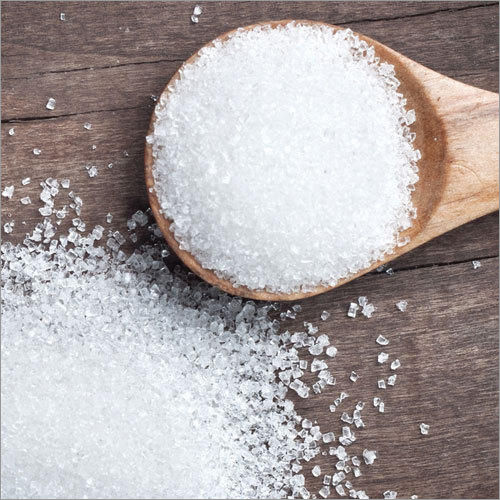
A flexible and creative ingredient, polydextrose is now a standard in the food and beverage industry. It is a soluble, low-calorie fiber that has several advantages for both producers and consumers. This odorless, white powder is made from sorbitol and dextrose and is frequently used as a bulking agent and sugar replacement. Polydextrose stands out because it can resemble the flavor and texture of sugar despite having a small percentage of the calories.
Specification of Polydextrose Additives
|
Grade Standard
|
Bio-Tech Grade
|
|
Usage
|
Food
|
|
Purity
|
|
|
cPhysical State
|
Liquid
|
Key Benefits and ApplicationsPolydextrose serves as a low-calorie, highly soluble dietary fiber that can boost the fiber content of various foods and beverages without altering taste or appearance. It is widely sought after in bakery, dairy, and confectionery products, and is equally effective as a sugar substitute in health-oriented formulations. Its neutral flavor allows easy incorporation, making it an essential tool for food manufacturers aiming to enhance nutritional profiles.
Quality and Safety AssuranceAdhering to stringent standards, this polydextrose boasts a purity level of 93.5% and a dry basis assay of at least 99.0%. It meets microbial safety benchmarks, with a total plate count below 1000 cfu/g and no detectable coliforms. Its heavy metal content is exceptionally low (0.001%), ensuring product safety for consumers. Supplied in secure, food-grade packaging, polydextrose maintains its integrity for up to 24 months when stored at room temperature.
FAQ's of Polydextrose Additives:
Q: How is polydextrose additive used in food and beverage applications?
A: Polydextrose is used as a dietary fiber, bulking agent, and sugar substitute in a variety of products including beverages, bakery goods, dairy items, confectionery, and more. Its neutral to slightly sweet taste and high solubility allow it to be easily integrated without affecting flavor, texture, or appearance.
Q: What are the key benefits of incorporating polydextrose in formulations?
A: Polydextrose offers significant benefits such as increasing dietary fiber content, reducing caloric value (1 kcal/g), and providing bulk without added sugar. It supports healthier product profiles and can help food manufacturers meet nutritional targets in formulations aimed at weight management and sugar reduction.
Q: When should polydextrose be added during the manufacturing process?
A: Polydextrose is typically blended into water-based solutions or mixtures during the mixing or batching stage of production. Because it is highly soluble in water and heat-stable up to its melting point (110-115C), it can be processed alongside other ingredients without losing functionality.
Q: Where can polydextrose additives be effectively applied?
A: Polydextrose can be incorporated into a wide range of foods and beverages including soft drinks, baked goods, dairy alternatives, candies, and even savory products. Its compatibility with various processing conditions and neutral sensory profile makes it suitable for diverse culinary uses.
Q: What is the recommended storage and shelf life for this product?
A: The liquid polydextrose should be stored at room temperature in tightly sealed food-grade containers, away from direct sunlight and moisture. Under proper conditions, the shelf life is 24 months, ensuring lasting quality and efficacy.
Q: How does the quality of this polydextrose additive comply with food safety standards?
A: Each batch is tested to maintain a total microbial plate count below 1000 cfu/g, yeast & mold below 100 cfu/g, and is verified negative for coliforms and low in heavy metals (0.001%). It also meets purity and assay standards of 93.5% and 99.0% (on dry basis), ensuring food-grade safety and consistency.







 English
 Spanish
 French
 German
 Italian
 Chinese (Simplified)
 Japanese
 Korean
 Arabic
 Portuguese
 Send Inquiry

 Send Inquiry

